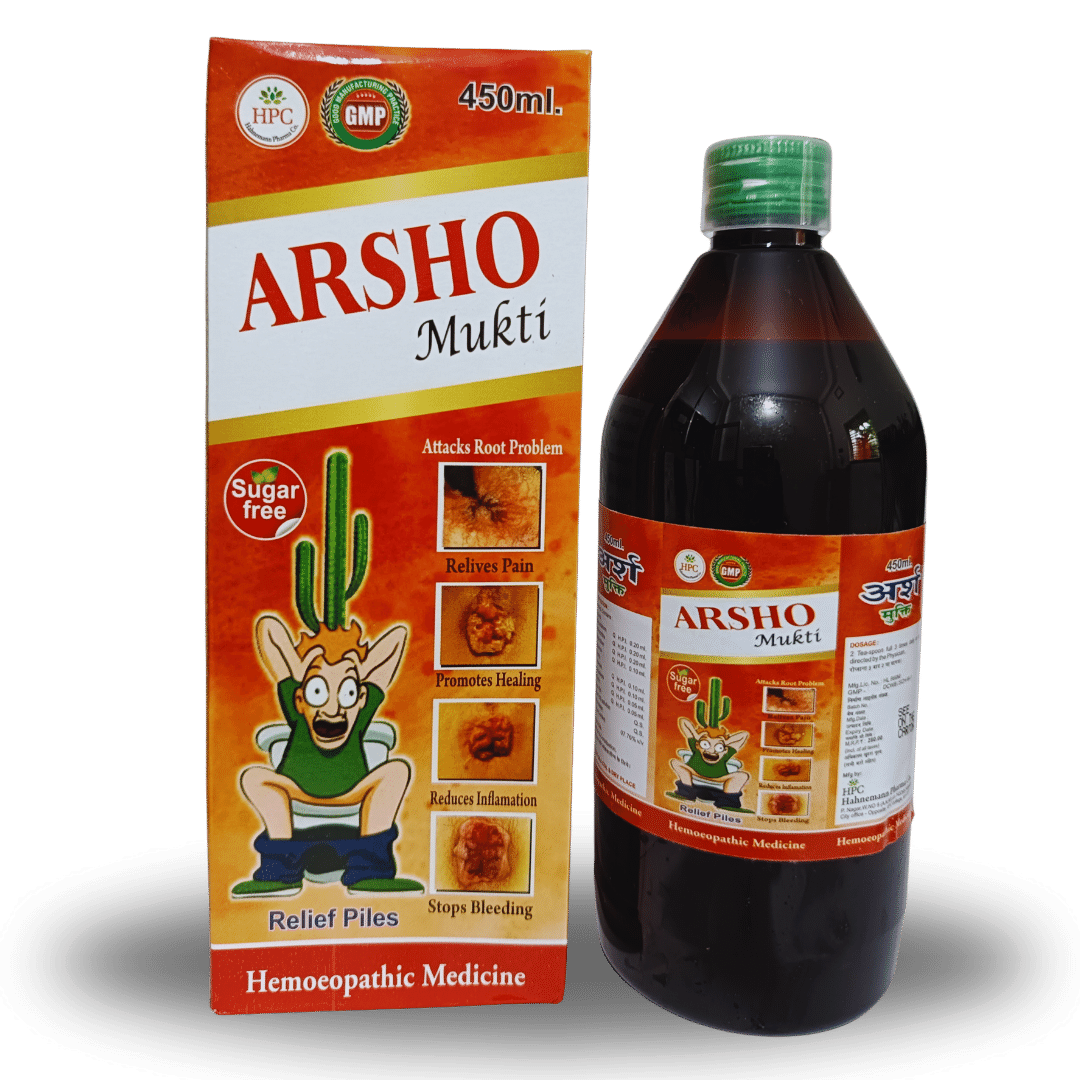
Piles, also known as hemorrhoids, are swollen and inflamed blood vessels in the rectum and anus. They can cause discomfort, pain, bleeding, and itching. There are two main types of hemorrhoids: Internal Hemorrhoids: These are located inside the rectum and are usually painless but can cause bleeding during bowel movements. External Hemorrhoids: These are located under the skin around the anus and can be quite painful. They may also cause bleeding and itching. Common causes of hemorrhoids include: Straining during bowel movements. Chronic constipation or diarrhea. Pregnancy and childbirth. Obesity. Sitting for prolonged periods on the toilet. Low-fiber diet. Here are some steps you can take to manage and prevent hemorrhoids: Dietary Changes: Increase your fiber intake by consuming more fruits, vegetables, and whole grains. Fiber helps soften stool and prevent constipation. Hydration: Drink plenty of water to keep your stools soft and easy to pass. Regular Bowel Habits: Avoid straining during bowel movements. Go to the bathroom as soon as you feel the urge. Over-the-Counter (OTC) Medications: You can use OTC creams, ointments, or suppositories to relieve pain and itching. Warm Sitz Baths: Soaking in a warm sitz bath for 10-15 minutes several times a day can provide relief from pain and discomfort. Physical Activity: Regular exercise can help promote regular bowel movements and prevent hemorrhoids. Avoid Prolonged Sitting: If your job or lifestyle involves sitting for long periods, take breaks and move around. Medical Treatment: If conservative measures do not alleviate your symptoms, a doctor may recommend procedures such as rubber band ligation, sclerotherapy, or surgery to remove or shrink the hemorrhoids. Lifestyle Changes: Maintain a healthy weight and avoid heavy lifting, which can strain the rectal area. It’s important to consult a healthcare professional if you experience persistent or severe symptoms of hemorrhoids. They can provide a proper diagnosis and recommend the most suitable treatment for your condition. In some cases, hemorrhoids may require medical intervention to alleviate symptoms and prevent complications.